How to Incorporate Natural Light into Minimalist Kitchen Designs
Table Of Contents
Opting for Light-Coloured Surfaces
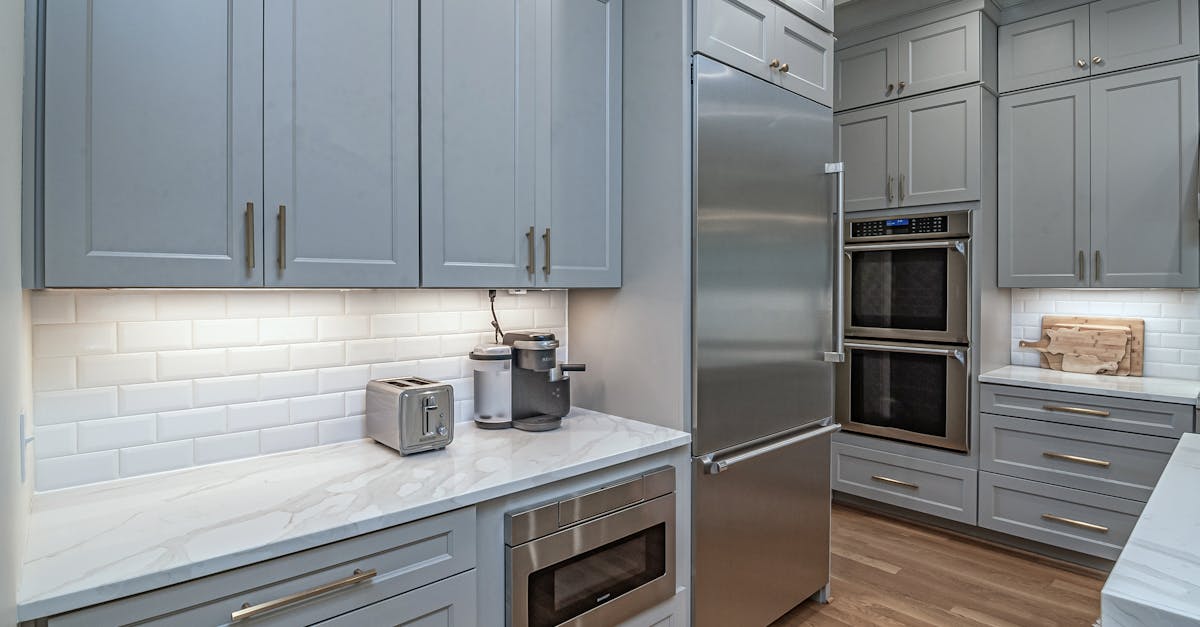
In a minimalist kitchen, the choice of surface colour plays a pivotal role in maximising natural light. Light-coloured surfaces, such as soft whites, pale greys, or muted pastels, can enhance the sense of space while reflecting sunlight effectively. These shades create an airy atmosphere that complements the simplicity of minimalist design. When combined with clean lines and uncluttered spaces, light surfaces contribute to an overall feeling of tranquillity.
Selecting the right materials further amplifies the benefits of lighter shades. Options like polished marble or ceramic tiles not only reflect light beautifully but also maintain a sleek appearance that aligns with minimalist aesthetics. Using light-coloured cabinetry or countertops adds to the seamless look while inviting brightness into the space. Strategically selecting these elements ensures the kitchen remains functional and visually appealing, embodying the essence of minimalist design.
Choosing Materials That Reflect Light
Selecting materials that possess reflective qualities can significantly enhance the ambience of a minimalist kitchen. High-gloss finishes, such as lacquered cabinetry or glossy tiles, create a sleek look while bouncing light around the space. Metals like stainless steel and brass not only add a contemporary touch but also reflect natural light, enhancing the airy feel of the kitchen environment.
Incorporating glass elements, such as a transparent backsplash or glass-front cabinets, contributes to a light-filled aesthetic. Choosing surfaces with a light-reflective texture, like polished stone or ceramic, can further amplify brightness. These materials work seamlessly together, maintaining the minimalist ethos while ensuring that the kitchen feels open and inviting.
Integrating Open Shelving
Open shelving can transform a minimalist kitchen, creating an inviting atmosphere full of accessibility. Removing traditional cabinets in favour of shelves allows natural light to flow through the space more freely. Displaying everyday dishware and glassware on these shelves not only showcases individual style but also encourages a sense of openness. The visual continuity between the kitchen and surrounding areas enhances the overall aesthetic, making the room appear larger and more seamless.
This style of storage works best when chosen materials align with a minimalist approach. Opting for materials that match or complement the existing colour palette contributes to the calm, uncluttered look typical of minimalist designs. Incorporating small plants or decorative items can add a touch of warmth without overwhelming the space. The careful arrangement of these elements maintains a balance, ensuring that the open shelving remains functional while still favouring the natural light that filters through.
Creating Airy Spaces with Strategic Storage
Strategic storage solutions can significantly contribute to achieving an open and airy feel in a minimalist kitchen. By opting for cabinets with seamless, integrated designs, the visual clutter can be minimized. Less bulk creates a sense of space, allowing natural light to flow unobstructed. Choosing multi-functional furniture such as stools with built-in storage or islands with hidden compartments can help keep essentials organised while maintaining a clean aesthetic.
Incorporating vertical storage options, such as tall cabinets that reach the ceiling, maximises space without sacrificing style. This approach not only utilises usually overlooked areas but also draws the eye upward, creating an illusion of height. Open layouts further enhance this concept, encouraging an unobstructed line of sight. Thoughtful organisation can allow for easy access to kitchen items while ensuring the overall design remains cohesive and uncluttered.
Using Mirrors to Amplify Light
Mirrors serve as an effective tool in enhancing the natural light within minimalist kitchens. By strategically placing mirrors on walls, you can create the illusion of a larger space while simultaneously reflecting light throughout the room. A well-positioned mirror can capture sunlight from windows and disperse it more evenly, lightening even the darkest corners and energising the atmosphere.
Incorporating different sizes and shapes of mirrors can add visual interest without overwhelming the minimalist aesthetic. Opt for sleek, frameless designs or simple frames that complement the overall decor. It's essential to consider the angles and placement of mirrors; they should face natural light sources or be positioned across from windows to maximise their light-trapping potential.
Placement Strategies for Enhanced Reflection
When aiming to maximise the impact of mirrors in a minimalist kitchen, placement is critical. Positioning them across from windows allows natural light to bounce off their surfaces, creating an illusion of a brighter space. A well-placed mirror can also enhance the overall aesthetic, adding depth without cluttering the design. Consider varying the sizes and shapes of mirrors to add visual interest while maintaining a cohesive look.
Incorporating reflective surfaces on cabinetry can further amplify light. By choosing glossy finishes or glass-fronted cabinets, the reflection enhances the brightness of the room. Additionally, strategically placing a mirror behind open shelves can add dimension and reflect the beauty of displayed items. This strategy not only increases brightness but also creates a sense of openness and continuity in the kitchen layout.
FAQS
Why is natural light important in minimalist kitchen designs?
Natural light enhances the overall ambiance of a minimalist kitchen, making the space feel more open, welcoming, and visually appealing while also reducing the need for artificial lighting during the day.
What are some effective light-coloured surfaces to use in a minimalist kitchen?
Effective light-coloured surfaces include white or light grey countertops, pale wood cabinetry, and light-coloured tiles, which can help to reflect and amplify natural light in the kitchen.
How can I choose materials that reflect light for my kitchen?
Opt for materials with glossy or smooth finishes, such as polished stone, glass, or high-gloss cabinetry, as these can significantly reflect natural light and create a brighter atmosphere.
What are the benefits of integrating open shelving in a minimalist kitchen?
Open shelving can create an airy feel by allowing light to flow freely through the space, as well as providing a practical way to display items that reflect light, enhancing the overall brightness of the kitchen.
How can I use mirrors effectively to amplify light in my kitchen?
Place mirrors strategically across from windows or in areas that receive natural light to create a reflection that will bounce light around the room, making it appear larger and more illuminated.
Related Links
The Role of Textures in Modern Minimalist Kitchen AestheticsInnovative Storage Solutions for Modern Minimalist Spaces
Minimalist Kitchen Islands: Combining Style and Functionality
Designing a Minimalist Kitchen with Eco-Friendly Materials
Popular Appliance Choices for Minimalist Kitchen Setups
Creating Functional Workspaces in Minimalist Kitchen Designs